


A história do samba
Samba is more than music. It is history, identity, resilience and joy.
Its roots lie in the traditions of African people brought to Brazil through the transatlantic slave trade. In the face of unimaginable hardship, music and dance became a way to preserve culture, express identity, and resist oppression. Early forms of samba were born from these gatherings - rhythms and movements that carried meaning, connection and defiance.
Today, samba is celebrated around the world, but its origins remain deeply important. We recognise that this is not just a musical style, but a living cultural tradition shaped by generations of people and communities. As a band, it is a privilege and an honour to be even a small part of that story.
As the Sambassadors of Groove, we don’t just play samba, we respect it.
We are inspired by its history and energy, and the communities that shaped it. Every rehearsal, every performance, and every beat we play is part of our way of honouring that tradition, while sharing its spirit with new audiences.
why it matters
.jpg)
Where It Began
Samba developed in Rio de Janeiro in the early 20th century and quickly became the defining sound of the city’s famous Carnaval. The word samba is thought to come from the Angolan word semba, meaning an invitation to dance.
Its earliest forms were influenced by African circle dances, with strong rhythms, grounded movement and a focus on community. Over time, samba absorbed elements from other musical styles, both Brazilian and international, evolving into something uniquely rich and expressive.
the rise of samba
By the early 1900s, samba had become widely popular across Brazil, with some of the first recordings appearing around 1911. Musicians like Pixinguinha helped shape its sound, introducing more complex harmonies and musical structure.
In the 1920s and 30s, samba spread further through radio and popular music. A softer, more melodic style known as samba-canção emerged, focusing on storytelling and emotion. Artists like Carmen Miranda helped bring samba to international audiences, sharing Brazilian music with the world.
.jpg)
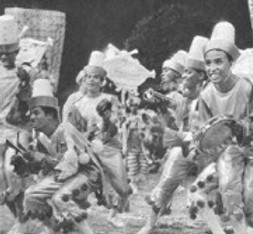
the heart of carnival
While samba was growing in popularity, a more powerful, percussion-driven style was developing in Rio’s communities. Known as batucada, this form of samba is built around layered rhythms played by large groups of percussionists.
These groups became known as escolas de samba (samba schools), and they are at the heart of Carnaval. Each year, they prepare elaborate performances featuring music, dance, costumes and storytelling, bringing entire communities together in celebration.
new sounds, global influence
In the late 1950s, samba evolved again with the creation of bossa nova. This style blended samba rhythms with jazz influences, creating a smoother, more laid-back sound. Artists like Antonio Carlos Jobim and João Gilberto helped bring Brazilian music to a global audience.
Over the following decades, samba continued to grow and adapt. It merged with other genres, leading to styles like pagode and partido alto, and became part of Brazil’s wider musical landscape.

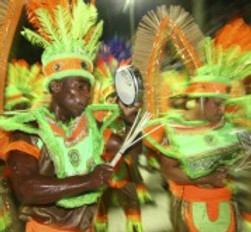
the heart of carnival
Samba is still evolving, and still bringing people together.
In Bahia, a powerful variation called samba-reggae emerged, blending traditional rhythms with reggae influences. Groups like Olodum used music not just for performance, but to celebrate identity, build community and create opportunities for young people.
Today, samba is played and celebrated across the world. But at its core, it remains what it has always been: a shared experience of rhythm and joy.
Based on content from: National Geographic